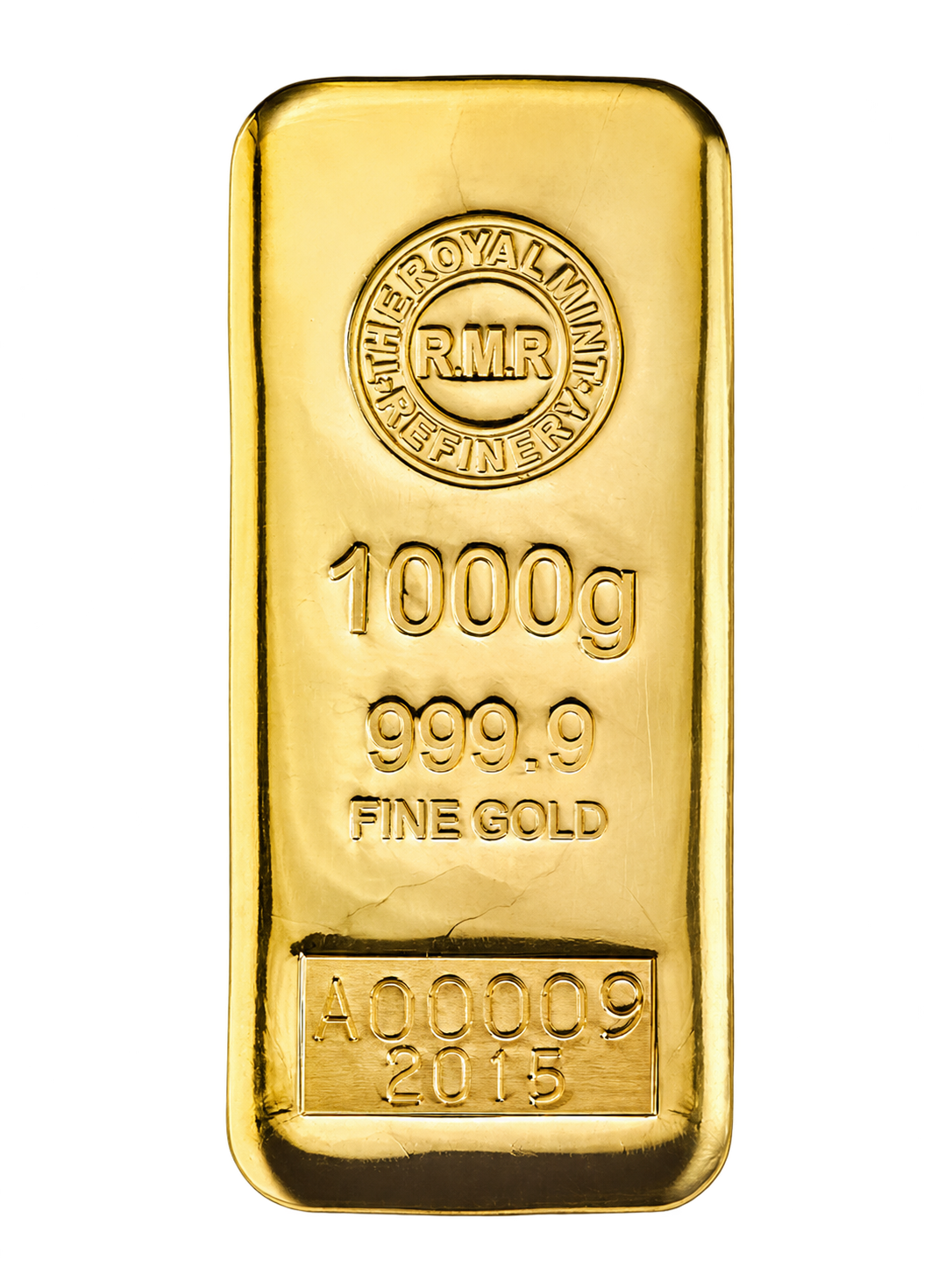
A tangible asset to own.
Some buyers want a physical holding they can identify, rather than exposure through a fund or derivative. Coins and bars provide that route, subject to the ownership and custody arrangements agreed with the seller.
Direct ownership also brings practical responsibilities: consider safe storage, suitable insurance, documentation and how you would sell. Gold you own outright is still exposed to market price risk.
A different part of a wider portfolio.
Investors sometimes include gold because its behaviour can differ from that of shares and bonds. The World Gold Council’s strategic research examines this potential diversification role. The effect depends on the period measured and the other assets held.
Diversification does not remove the risk of loss, and concentrating your money in one commodity can create its own risks. This guide does not recommend a percentage allocation.
Long-term purchasing power and uncertainty.
Gold has a long history as a monetary and reserve asset. Some buyers consider it when thinking about the long-term purchasing power of cash or periods of economic uncertainty.
Those motivations do not mean that gold rises every time inflation increases or markets become unsettled. Its price can move sharply in either direction. Your holding period, currency and purchase costs all affect the outcome.
An interest in coins as objects.
For collectors, a coin’s design, history, condition and place in a series may matter alongside its gold content. This can make the purchase personally engaging, while adding another source of price uncertainty.
Separate the enjoyment of ownership from assumptions about future value. Collector premiums can fall and may not be recovered when you sell.
Gold has costs, and it pays no income.
Allow for purchase premiums, resale differences, storage and insurance. Consider what a fall in price would mean for you, and research alternatives before deciding.
Further reading
World Gold Council · Gold as a strategic asset World Gold Council · Ways to own goldEducational information, not a personal recommendation. Prices and resale premiums can fall. Independent advice may be appropriate for your circumstances.